Embryologists should aim to maintain a stable physiological temperature (37°C) during handling and culture to maximize each embryo’s developmental potential.
Temperature deviations during oocyte handling and division can destabilize the meiotic spindle, increasing the risk of chromosomal segregation errors that may compromise fertilization, embryo development, and downstream clinical outcomes.
Why it matters:
Unlike patient age or intrinsic gamete quality, temperature is a modifiable lab variable. In practice, though, many labs still lose temperature stability during routine handling steps.
The spindle integrity problem
Temperature stability is closely linked with the spindle integrity.1-3 Spindles started to depolymerize at temperatures above 38°C.
What happens:
- Extreme heat: irreversible spindle damage
- Extreme cold: permanent spindle loss below 25°C
Rewarming does not always fully restore spindle integrity, so minimizing the initial temperature excursion is the safest strategy.
Four workflow vulnerabilities
Think systematically about when embryos leave controlled conditions:
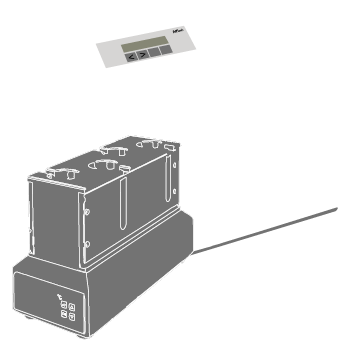
Gamete/embryo handling
These quick procedures add up: cumulus collection, oocyte denudation, insemination, and embryo loading all create opportunities for heat loss.
Solutions:
- Tube warmers and heated aspiration systems
- Workstations with heated, isolated surfaces
- Warming blocks and external hot plates

Micromanipulation
ICSI, fertilization checks, and biopsy often happen outside the incubator. Temperature decline on the benchtop is real, and dish design, airflow, and heating stage performance all affect how quickly media cools.
Solutions:
- Heated microscope stages (for ICSI/biopsy)
- Heated stereoscope stages (for fertilization checks)
- No exceptions – these procedures require active heating
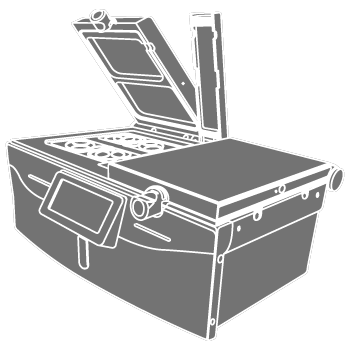
Incubation
Embryos spend days here, and shared devices mean frequent door openings across multiple patients.
Critical specifications:
- Uniform temperature: No hot/cold spots regardless of dish placement
- Fast recovery: <60 seconds after door opening
- Accurate control: ±0.1°C precision
- Alarm systems: With backup battery power for supply failures

Measurement best practice
Don’t measure only at the shelf or chamber wall. Temperature must be assessed in the culture media within the dish – that’s what embryos actually experience.
This is challenging with time-lapse systems, but get as close to real embryo conditions as possible.
Action plan
Audit your protocol. Walk through a typical ICSI cycle and identify every moment when gametes or embryos leave controlled-temperature conditions.
Check your fertilization assessment step. Many labs prioritize heated ICSI but overlook the fertilization-check microscope.
Validate your incubator performance. Prioritize the longest exposure window and confirm temperature behavior under real-use conditions.
Combine experience and equipment. Skilled embryologists and quality equipment each help, but neither fully eliminates temperature-related vulnerability.
Bottom Line
You can’t turn a poor-quality embryo into a good one. But you can protect the developmental potential you already have by minimizing avoidable temperature stress during handling and culture.
Get the most out of every embryo. Our webinar shows how precise temperature control can make it happen.
Sources:
- Wang WH, Meng L, Hackett RJ, Oldenbourg R, Keefe DL. Rigorous thermal control during intracytoplasmic sperm injection stabilizes the meiotic spindle and improves fertilization and pregnancy rates. Fertil Steril. 2002;77(6):1274-1277. doi:10.1016/s0015-0282(02)03117-5
- Wang W, Cao B, Meng L, Hackett RJ, Keefe DL. Imaging living, human MII oocytes with the polscope reveals a high proportion of abnormal meiotic spindles. Fertil Steril. 2001;76(3):S2-S3. doi:10.1016/S0015-0282(01)02023-4
- Sun XF, Wang WH, Keefe DL. Overheating is detrimental to meiotic spindles within in vitro matured human oocytes. Zygote. 2004;12(1):65-70. doi:10.1017/s0967199404002631