Global clinical data show that low lactate embryo culture media offers reliable support for growing cells, especially when introduced at aspiration or COC identification.
Why it matters:
Lactate concentration impacts not just blastocyst quality, but maturation, fertilization, euploidy, and ongoing pregnancy rate. Introducing a low lactate environment immediately following retrieval can reduce stress on gametes and embryos.
Evidence for low lactate culture media
The rationale for lower lactate concentrations has been documented in research for decades.1-3 High exogenous lactate can suppress the embryo’s own metabolic activity. When lactate is already abundant in the culture environment, the embryo has no need to drive the conversion back to pyruvate.
“If you’ve already got a lot of lactate available for use, why would the embryo need to make more? It’s not going to go from lactate back to pyruvate and then back over to lactate,” explained Lindsey VerMilyea, senior clinical research coordinator at Nexpring Health. “If we’re not pulling it over to the pyruvate and not taking it back to lactate, then we’re lowering NAD⁺, which is needed for glycolysis. If we don’t have that, we’re reducing available ATP and slowing down energy pathway conversions.”
The field understood this and still standardized at 5 mM in 1998, described at the time as a “suitable compromise.”4
Where it stands today: In 2022, multiple independent studies across global clinic sites have reported improvements not just at the blastocyst stage, but across the full developmental sequence using low lactate culture media:5-8
- Improved GV-to-MII maturation (nuclear and cytoplasmic)
- Increased available MII oocytes
- Increased 2PN fertilization; decreased 3PN and 0PN rates
- Faster blastulation and increased day 5 blastocyst development
- Increased usable euploid blastocysts on day 5
- Increased ongoing pregnancy rate
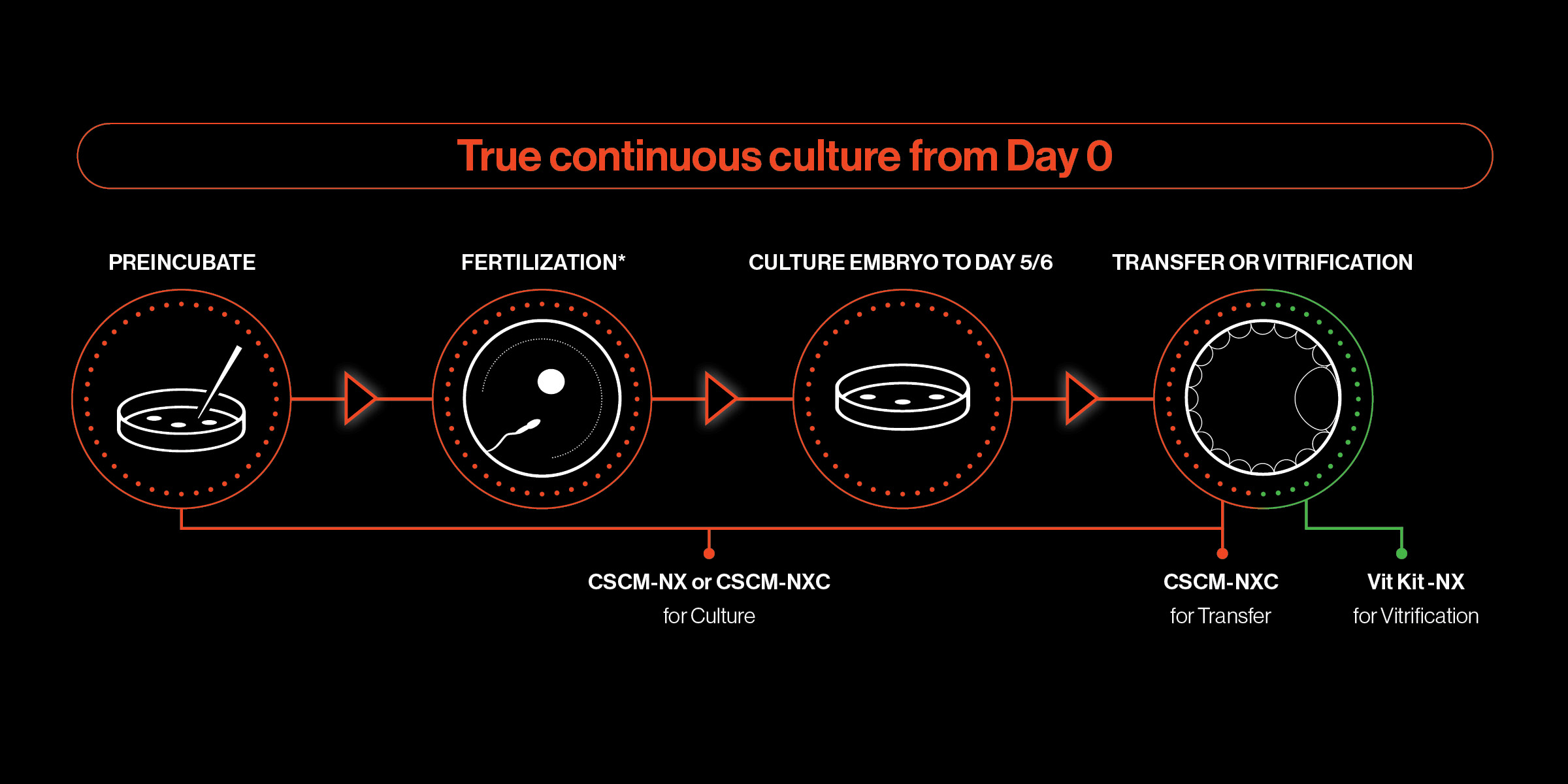
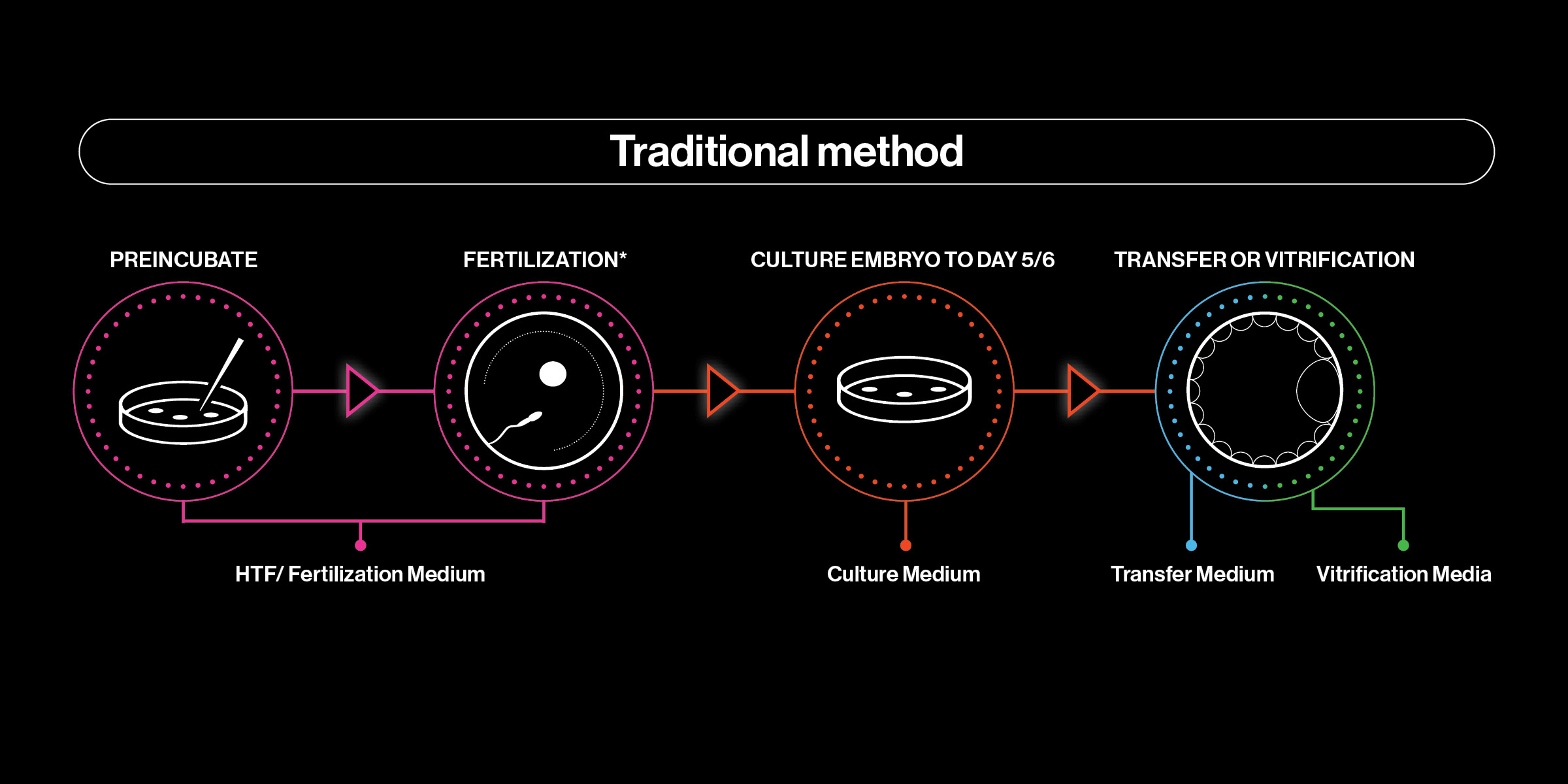
The implementation gap
A 2021 publication changed how to think about timing for inclusion of low lactate culture media. The findings indicated that embryonic genome activation begins at the one-cell stage, earlier than previously understood.9
“This is happening at the very earliest one-cell stage where we are in in vitro culture—we’re seeing those effects move on down the line. This gives us a tremendous implication for the entirety of embryo culture in vitro. Starting from our very beginning, from the very first possible introduction we have, all the way through until we end that culture.”
The practical consequence: Labs that introduce low lactate at fertilization check, or even at ICSI, are missing the window where early exposure matters most. Lactate is a small molecule, and VerMilyea noted that its propensity to move quickly means even brief contact with high-lactate media may have a measurable effect. The clinical data consistently show that the earlier the introduction point, the greater the improvement for cell development.
VerMilyea describes this as a necessary reframe of how embryologists think about the culture system:
“When continuous media first came about, it was that the embryos are getting to choose what they need and when they need it. But now, we need to look at it more holistically than that. Not only can the embryo choose what they want and when they want, but they’re able to choose how much they need. We’re not overloading them.”
Bottom line
Growing cells don’t need the extra stress. Using a lower lactate concentration in culture media provides an ideal environment by supporting energy pathway conversion and eliminating unnecessary stress.
Start at aspiration if possible. Introducing low lactate medium at oocyte collection is the earliest possible intervention and the point associated with the greatest cumulative benefit. COC identification is the minimum recommended entry point (not fertilization check).
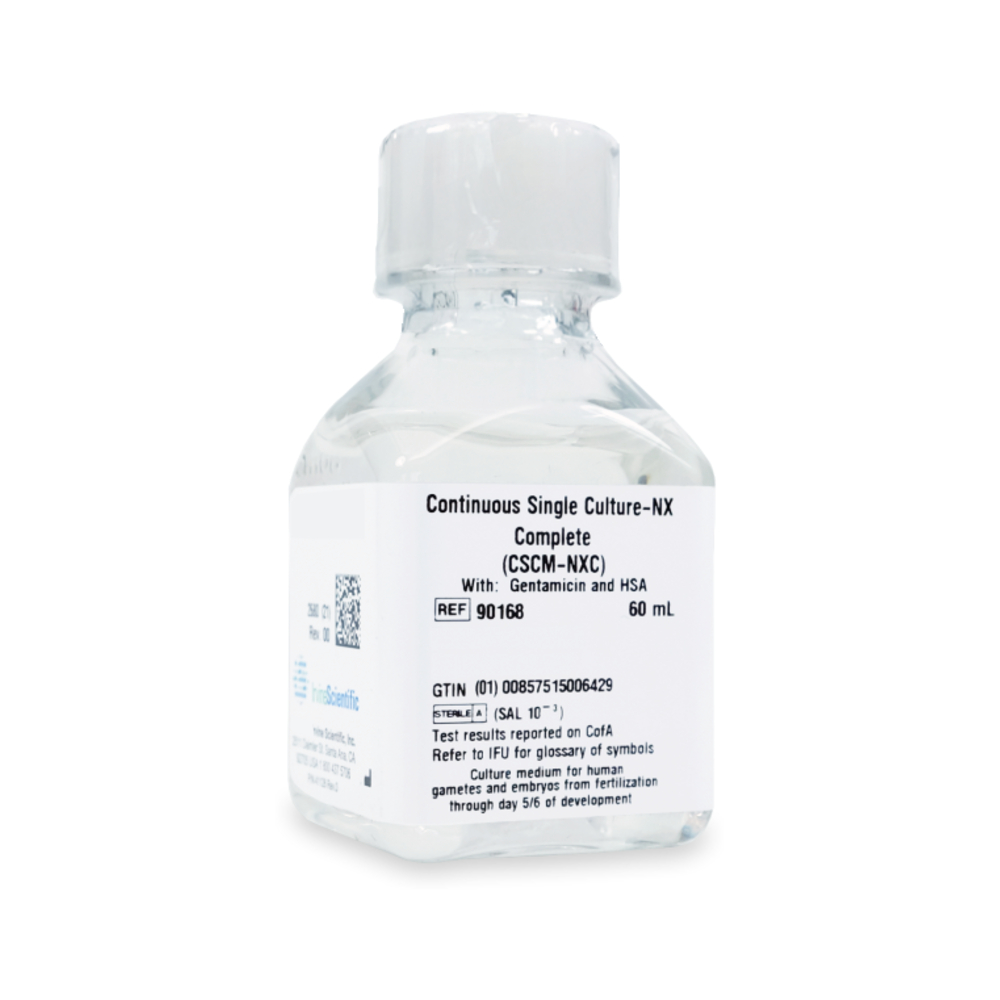
Interested? You can learn more about Nexpring Health’s CSCM-NX products below.

Sources:
- Wales RG, Whittingham DG. The metabolism of specifically labelled lactate and pyruvate by two-cell mouse embryos. J Reprod Fertil. 1973; 33(2): 207–222. doi.org/10.1530/jrf.0.0330207
- Cross PC, Brinster RL. The sensitivity of one-cell mouse embryos to pyruvate and lactate. Exp Cell Res. 1973;77(1):57-62. doi:10.1016/0014-4827(73)90552-1
- Lane M, Gardner DK. Lactate regulates pyruvate uptake and metabolism in the preimplantation mouse embryo. Biol Reprod. 2000;62(1):16-22. doi:10.1095/biolreprod62.1.16
- Leese HJ. Human embryo culture: back to nature. J Assist Reprod Genet. 1998;15(8):466-468. doi:10.1023/a:1022526219202
- Kobanawa M. Fertilization, embryo culture, and clinical results using low lactate embryo culture medium for pre-culture, insemination, and beyond. Reprod Med Biol. 2022; 21:e12458. doi:10.1002/rmb2.12458
- Escrich L, Urrutia AG, Soler N, et al. Low lactate/pyruvate medium improves GV competence. Poster presented at: American Society for Reproductive Medicine 2022 Annual Meeting; October 2022; Anaheim, CA.
- Moreno Moya JM, Mansell S, Alland I, et al. CSCM-NXC media containing a low lactate concentration seems to benefit expansion grade compared to traditional continuous media. Hum Reprod. 2022; 37(1), deac104.080. doi.org/10.1093/humrep/deac104.080
- Whitney JB, VerMilyea L, Maizer A, VerMilyea M. Positive effects of low-lactate culture medium on embryo development and blastocyst ploidy status: a 3.5-year multi-clinic retrospective review. Hum Reprod. 2022, 37(1): deac107.217. doi.org/10.1093/humrep/deac107.217
- Asami M, Lam BYH, Ma MK, et al. Human embryonic genome activation initiates at the one-cell stage. Cell Stem Cell. 2022;29(2):209-216.e4. doi:10.1016/j.stem.2021.11.012